
If you ask a serious bartender what cocktail tells them the most about a customer's palate, a significant number of them will say the Manhattan. It's
If you ask a serious bartender what cocktail tells them the most about a customer’s palate, a significant number of them will say the Manhattan. It’s a drink for people who have done the work, who have moved past the need for fruit juice or sweetness to enjoy a proper cocktail, and who have arrived at a place where the honest character of good whiskey, properly handled, is the whole point.
The Dry Manhattan is the most uncompromising version of the family. Where the classic Sweet Manhattan uses sweet vermouth and often arrives with a maraschino cherry, the Dry Manhattan uses dry vermouth and a lemon twist. The result is leaner, more austere, and to many palates more interesting. The whiskey has nowhere to hide here and that, for those who love it, is entirely the point.
I came to the Dry Manhattan relatively late in my bartending life, having spent years making sweet versions for guests who wanted something approachable. When I finally made one for myself, proper whiskey, quality dry vermouth, a good dash of bitters, stirred patiently over ice. I understood immediately why this is considered one of the defining cocktails of American drinking culture.
Make it once with good ingredients and the patience to stir it properly. You’ll understand too.
What is the Dry Manhattan?
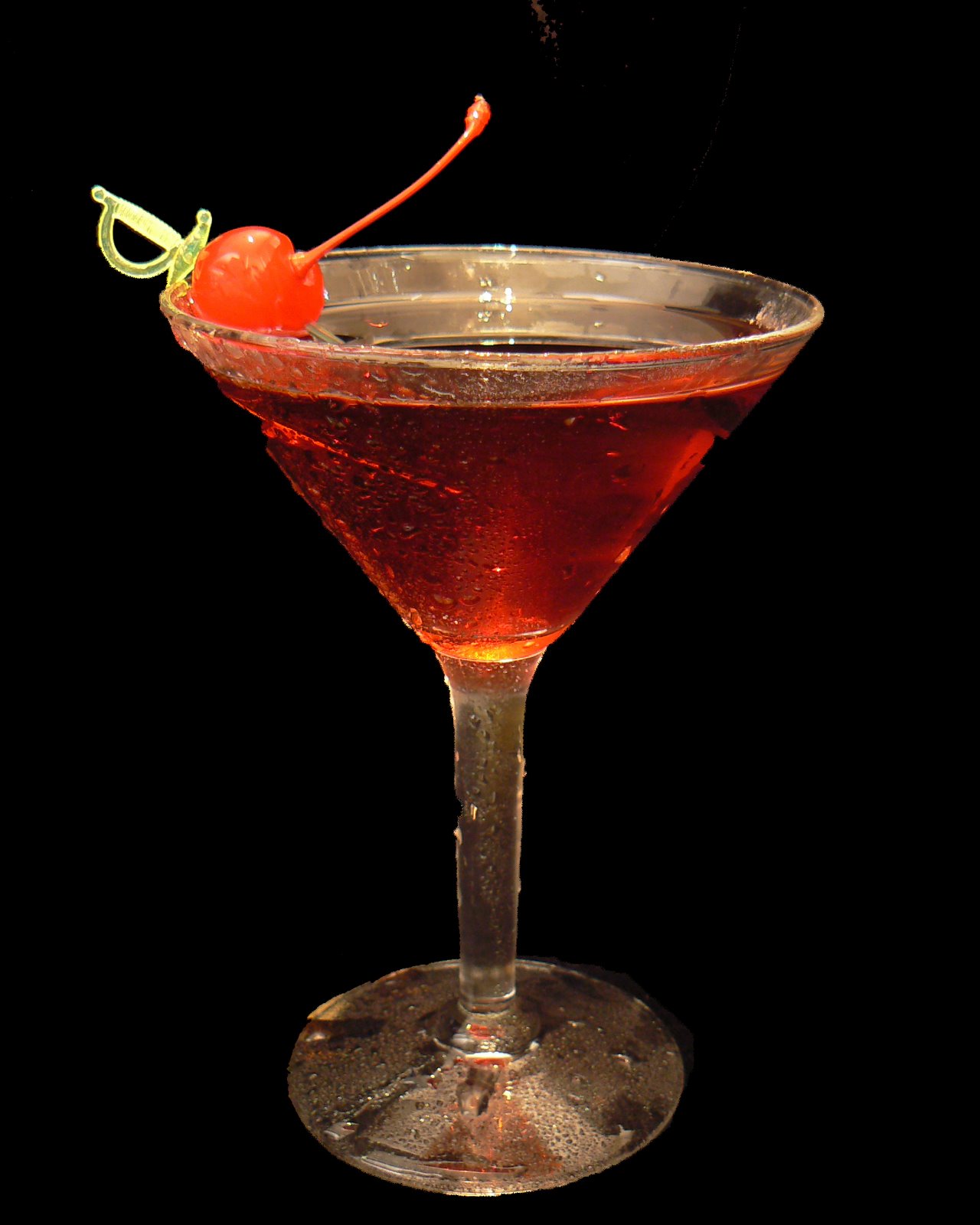 The Manhattan is one of the oldest and most celebrated cocktails in American history, dating back to the 1870s and widely believed to have been created at the Manhattan Club in New York City. The original recipe used rye whiskey and sweet vermouth. Over the decades the family expanded. The Perfect Manhattan splits the vermouth between sweet and dry, and the Dry Manhattan swaps sweet vermouth entirely for dry.
The Dry Manhattan is a stirred cocktail. Three ingredients combined in a mixing glass with ice, stirred patiently until properly chilled and diluted, then strained into a chilled glass. No shaking, no juice, no theatrical elements. Just three things done correctly.
The ratio matters. Four parts whiskey to one part dry vermouth is a confident, whiskey-forward specification. The vermouth is doing a supporting role rather than sharing equal billing. The bitters tie everything together, adding depth and complexity that makes the two main ingredients more interesting than either would be alone.
The most important step most people skip — the stir
The Dry Manhattan is a stirred cocktail and the stir is not a formality. It’s the step that makes the drink what it is.
Stirring serves two functions: chilling and dilution. A properly stirred Manhattan is cold, genuinely cold, not slightly cool, and diluted by approximately 20–25% through the melting ice. That dilution is not a flaw. It’s an essential part of the recipe. Undiluted whiskey at full strength, served neat, is a different drink. A properly diluted, properly chilled Manhattan has a texture, a mouthfeel, and a balance that cannot be achieved any other way.
The technique is simple: fill a mixing glass with ice, add the ingredients, and stir with a long-handled bar spoon using a smooth, continuous circular motion for approximately 30 seconds. Thirty seconds is longer than it feels. Most people stop after fifteen and wonder why their Manhattan isn’t quite right. Use a bar spoon rather than a regular spoon, the long handle keeps your hand away from the glass and the twisted stem gives you the right rolling motion.
Never shake a Manhattan. Shaking introduces air bubbles and a cloudiness that changes the texture and appearance of the drink entirely. The silky, crystal-clear quality of a properly stirred Manhattan is inseparable from the stir.
Best time to enjoy a Dry Manhattan
The Dry Manhattan is quintessentially an end-of-day drink. The kind of thing you make when the work is done and you want something that demands your attention rather than asking nothing of you. It’s too serious for a casual afternoon and too interesting for someone who isn’t paying attention.
It’s an exceptional pre-dinner drink for people who love whiskey. The dry vermouth stimulates the appetite without filling you up, and the whiskey provides the warming backbone that makes everything that follows feel properly anticipated.
It also works beautifully as the drink you make when someone comes over who really drinks. A Dry Manhattan on the table says more about a host than a jug of sangria ever could.
What’s in a Dry Manhattan
Three ingredients. Four to one is the ratio. Get the ingredients right and the cocktail is the reward.
Whiskey
Rye whiskey is the traditional and historically correct choice for a Manhattan. Rye’s spicier, drier character is exactly what the dry vermouth is designed to work alongside, and the combination has a tension and complexity that is genuinely exciting to drink.
Bourbon is the modern default and a completely valid alternative. The sweetness and vanilla of bourbon rounds the drink out slightly and makes it more approachable without sacrificing character. Whether you reach for rye or bourbon is as much about personal preference as it is about authenticity.
Whatever whiskey you choose, use something you would be happy drinking neat. A Manhattan amplifies the character of its whiskey rather than masking it. A poor whiskey makes a poor Manhattan, and there is nothing in the recipe to save it.
For rye:
Rittenhouse Rye — the benchmark cocktail rye. 100 proof, spicy, dry, and assertive. Makes an exceptional Manhattan that is everything the drink is supposed to be. If you make Manhattan cocktails regularly, this should be on your shelf.
Bulleit Rye — slightly more approachable than Rittenhouse, with a high rye content that keeps the spice forward. Widely available and consistently excellent in a Manhattan context.
WhistlePig 10 Year — if you want a premium rye for a premium Manhattan, WhistlePig is the choice. Complex, beautifully balanced, and worth every cent for a special occasion.
For bourbon:
Woodford Reserve — the most versatile premium bourbon in the market. Balanced, smooth, and complex enough to make a genuinely excellent Manhattan without the rye assertiveness. A reliable first choice.
Maker’s Mark — the wheated bourbon option. Softer and rounder than rye-heavy expressions, which makes for a gentler, more approachable Dry Manhattan that doesn’t sacrifice quality.
Dry Vermouth
Dry vermouth is the ingredient most often treated as an afterthought in a Manhattan and it absolutely should not be. Vermouth is a wine-based product and it behaves like wine, once opened, it oxidises. Vermouth that has been sitting on a shelf for six months will make a noticeably worse Manhattan than vermouth opened within the past few weeks. Keep it in the fridge after opening and treat it accordingly.
For a Dry Manhattan, dry vermouth contributes a herbal, slightly floral character that lifts the whiskey without sweetening it. It’s present but subordinate, one part to four of whiskey means it’s doing supporting work, not starring.
Dolin Dry — the gold standard for dry vermouth in cocktails. Clean, herbal, and delicate. It integrates with whiskey beautifully without imposing its own flavour heavily. If you make a lot of Martinis and Manhattans, Dolin Dry is the vermouth to keep in the fridge.
Noilly Prat Dry — the classic French dry vermouth. Slightly fuller-bodied than Dolin, with more pronounced herbal character. Works exceptionally well in a Dry Manhattan where you want the vermouth to be a little more present.
Martini & Rossi Extra Dry — widely available, affordable, and reliable. A solid choice for everyday Manhattans without the premium price tag of Dolin or Noilly Prat.
Bitters
One dash. Precisely one. Bitters are the seasoning of the cocktail world. Their job is to tie the other ingredients together and add a layer of complexity that you don’t consciously taste but immediately notice when it’s absent.
Angostura Bitters is the classic choice and the one the recipe calls for. The blend of bark, spice, and herbal notes in Angostura works in perfect harmony with both whiskey and vermouth. A single dash, a quick shake of the bottle with your thumb over most of the dasher, is all it takes.
Orange bitters are worth exploring as a variation. A dash of Angostura plus a dash of orange bitters. Regan’s No. 6 or Fee Brothers Orange Bitters, adds a citrus dimension that works beautifully in a Dry Manhattan where the lemon twist garnish is already pointing in that direction.
Equipment you’ll need
A mixing glass is the proper vessel for a stirred cocktail — wider and heavier than a pint glass, with enough volume to stir comfortably without the ice and liquid climbing the sides. A large pint glass or a heavy rocks glass works as a substitute if you don’t have a dedicated mixing glass.
A long-handled bar spoon for the stir. The twisted handle gives you the right rolling motion and the long length keeps your hand away from the glass so you don’t warm the drink. A teaspoon handle will do the job but the result is less controlled.
A Hawthorne strainer to strain the drink cleanly from the mixing glass into the serving glass.
A proper whiskey glass or coupe for serving. The Dry Manhattan is traditionally served in a coupe or a cocktail glass — the same glass as a Martini. A rocks glass with a large single ice cube is an increasingly common and completely legitimate alternative. Our Best Cocktail Glassware guide covers all the options.
A jigger for measuring. The four-to-one ratio needs to be accurate. Don’t free-pour a Manhattan.
How to make a Dry Manhattan
Chill your serving glass first, place it in the freezer for five minutes or fill it with ice water while you prepare the drink.
Fill a mixing glass with ice, generously, right to the top. Add the dry vermouth first, then the whiskey, then the single dash of bitters. This order matters slightly, adding the vermouth to the ice before the whiskey allows the vermouth to coat the ice and integrate more evenly.
Stir with a long bar spoon using a smooth, continuous circular motion. Count thirty seconds. This is longer than feels comfortable but it is the correct duration. The outside of the mixing glass should be very cold and slightly frosted when you’re done.
Discard the ice water from your chilled glass. Strain the Manhattan into the chilled glass, hold the Hawthorne strainer firmly against the lip of the mixing glass and pour in one smooth movement.
For the garnish, take a long, thin strip of lemon peel, cut as thin as possible with minimal pith. Hold it coloured side down over the surface of the drink and give it a firm squeeze to express the oils in a fine mist across the surface of the cocktail. Run the peel around the rim of the glass and either drop it in or balance it decoratively on the edge. The lemon oil on the surface is fragrant and essential, it changes the nose of the drink completely.
Alternatively a maraschino cherry or a Luxardo cherry dropped into the glass is the classic sweet garnish that many prefer. The cherry’s sweetness contrasts beautifully with the dryness of the drink.
Serve immediately. The Dry Manhattan should be drunk while it’s cold.
Print
Dry Manhattan
- Total Time: 5
- Yield: 1 1x
Description
Whiskey, dry vermouth, and a dash of bitters stirred patiently over ice and served straight up with a lemon twist. One of the great American cocktails, serious, elegant, and deeply satisfying
Ingredients
- Ice for stirring
- 2 oz (4 parts) rye whiskey or bourbon
- 1/2 oz (1 part) dry vermouth
- 1 dash Angostura bitters
- Lemon twist or maraschino cherry to garnish
Instructions
- Chill a coupe or cocktail glass in the freezer for 5 minutes
- Fill a mixing glass generously with ice
- Add dry vermouth, then whiskey, then one dash of bitters
- Stir continuously for 30 seconds using a long bar spoon
- Discard ice water from chilled glass
- Strain into the chilled glass using a Hawthorne strainer
- Express a lemon twist over the surface, run around the rim, and use as garnish — or drop in a maraschino cherry
- Serve immediately
Notes
Never shake a Manhattan, shaking introduces cloudiness and air bubbles that change the texture and appearance of the drink. Stir for a full 30 seconds, this is longer than most people expect but it is correct.
Keep your dry vermouth refrigerated after opening and use within a few weeks. Rye whiskey is the traditional choice, bourbon produces a slightly rounder, sweeter result.
- Prep Time: 5
- Category: Cocktails
- Method: Blended
Nutrition
- Serving Size: 1
- Calories: 190
The Manhattan family — knowing your versions
The Manhattan sits at the centre of a family of closely related cocktails, each a variation on the same template.
The Sweet Manhattan — the classic original. Sweet vermouth replaces dry vermouth and the cherry garnish is standard. Warmer, richer, and more forgiving than the dry version. The right starting point if you’re new to Manhattans.
The Perfect Manhattan — splits the vermouth equally between sweet and dry. The result sits between the two extremes, more complex than either alone, with the dry vermouth’s herbal notes working alongside the sweet vermouth’s warmth. A favourite of people who find the sweet version too sweet and the dry version too austere.
The Rob Roy — a Manhattan made with Scotch whisky rather than American whiskey. The smokier, more complex character of Scotch changes the drink entirely. Can be made sweet, perfect, or dry using the same vermouth logic as the Manhattan.
The Black Manhattan — replaces Angostura bitters with Averna amaro. Darker, more bitter, and considerably more complex. Worth trying once you’re comfortable with the classic.
You might also like
More whiskey cocktails:
More classic stirred cocktails:
- Negroni
- Old Fashioned
More gin cocktails:
- Red Lion Cocktail
- Crossbow Cocktail
- Naked Martini
From Best Gear and Guides:
- Best Whiskey Glasses
- Best Cocktail Shakers of 2026
- The Best Jiggers for Your Home Bar
- Best Cocktail Glassware 2026

COMMENTS