
The Corpse Reviver is one of the great classic cocktails , bright, bittersweet, and deceptively easy to drink. Equal parts gin, Cointreau, Lillet Blan
The Corpse Reviver is one of the great classic cocktails , bright, bittersweet, and deceptively easy to drink. Equal parts gin, Cointreau, Lillet Blanc, and fresh lemon juice, finished with a whisper of absinthe, all shaken and served straight up. It looks simple on paper, and the result is anything but.
The version almost everyone means when they say “Corpse Reviver” is the No. 2, which appears in Harry Craddock’s legendary Savoy Cocktail Book of 1930. It is a balanced, citrus-forward drink where four equal measures somehow combine into something far more complex than the sum of its parts. The absinthe sits quietly underneath, adding an aromatic, anise-tinged lift that ties the whole thing together.
It is a beautiful drink, and a genuinely interesting one to make for guests, partly because of the recipe and partly because of the story behind the name.
What is a Corpse Reviver?
“Corpse reviver” was originally a category, not a single drink. In the 19th and early 20th centuries it referred to a class of cocktails meant to be drunk in the morning to revive a heavy drinker the day after the night before. What we would now call a hair-of-the-dog. The name is a piece of dark Victorian humour: a drink to bring the “corpse” back to life.
Several recipes carried the name, but two survived into the modern canon. The Corpse Reviver No. 1 is a spirit-forward, stirred drink of Cognac, apple brandy, and sweet vermouth. The Corpse Reviver No. 2, the one in this recipe, is the citrusy, shaken gin version, and it is by far the more popular of the two today.
Craddock included a famous warning alongside the No. 2 in the Savoy book, noting that four taken in quick succession will “unrevive the corpse” again. It is a witty reminder that, for all its brightness, this is a properly boozy cocktail. One is a treat. Pace yourself.
Best time to enjoy a Corpse Reviver
True to its origins, the Corpse Reviver No. 2 is a classic brunch and late-morning cocktail. It is crisp, citrus-led, and refreshing, which makes it a natural alternative to a Mimosa or a Bloody Mary at a weekend brunch.
It also works beautifully as a pre-dinner aperitif. The combination of dry gin, bitter quinquina, and sharp lemon is genuinely appetite-sharpening, and the drink is light and bright rather than heavy.
Because it is a little unusual and carries a great story, it is also a lovely cocktail to make when you want to show guests something they may not have tried. Most people know a Martini or a Margarita. Far fewer have had a properly made Corpse Reviver, and the reaction when they taste one is almost always surprise.
What’s in a Corpse Reviver No. 2
Four ingredients in equal measure, plus a dash of a fifth. The equal-parts ratio is the heart of the recipe, each element pulls its weight.
Gin
Dry gin is the backbone, providing the botanical, juniper-led structure the other ingredients build around. A classic London Dry like Tanqueray or Beefeater is the right choice here. You want something assertive enough to stand up to the lemon and the quinquina without being overwhelmed.
Cointreau
Cointreau, the premium orange liqueur, brings sweetness and a clean, bright orange note that balances the sharp lemon. Triple sec can be substituted, but Cointreau’s quality genuinely shows in a drink this delicate.
Lillet Blanc (Quinquina)
This is the ingredient most people have not heard of, and it is what makes the drink special. A quinquina is an aromatized apéritif wine flavoured with cinchona bark, which gives a gentle, pleasant bitterness from quinine. Lillet Blanc is the modern standard.
It is worth knowing that the original recipe called for Kina Lillet, which was reformulated into the lighter, sweeter Lillet Blanc in 1986. If you want a flavour closer to the original, slightly more bitter and complex. Cocchi Americano is the substitute many bartenders prefer. Either makes an excellent Corpse Reviver.
Fresh Lemon Juice
Fresh lemon juice provides the sharp, sour backbone that cuts through the sweetness of the Cointreau and the wine. As always, use freshly squeezed bottled juice is flat and will dull the whole drink.
Absinthe (a dash)
A small dash of absinthe, or an absinthe rinse of the glass, is the signature finishing touch of the No. 2. It adds an aromatic, anise-led complexity that sits underneath everything else. A little goes a very long way, too much and it dominates. If you do not have absinthe, the drink is still lovely without it, but the dash is what makes it a true Corpse Reviver No. 2.
Equipment you’ll need
A cocktail shaker is essential, this is a shaken, straight-up drink, and it needs the shaker to chill and lightly dilute it.
A jigger keeps the equal measures precise. With a 1:1:1:1 ratio, accuracy matters: one heavy pour throws the balance off.
A fine strainer used alongside your shaker’s strainer gives a cleaner result by catching any small ice shards, which is worth doing for a delicate up cocktail.
A chilled coupe or cocktail glass is the right vessel. Chill it in the freezer first.
How to make a Corpse Reviver No. 2
If you are using absinthe as a rinse, start by adding a small splash to your chilled cocktail glass, swirling it to coat the inside, and discarding any excess. Alternatively, simply add a single dash to the shaker.
Fill a cocktail shaker with ice. Add equal measures of gin, Cointreau, Lillet Blanc, and fresh lemon juice.
Shake well for around 12 to 15 seconds, until the shaker is frosted and very cold.
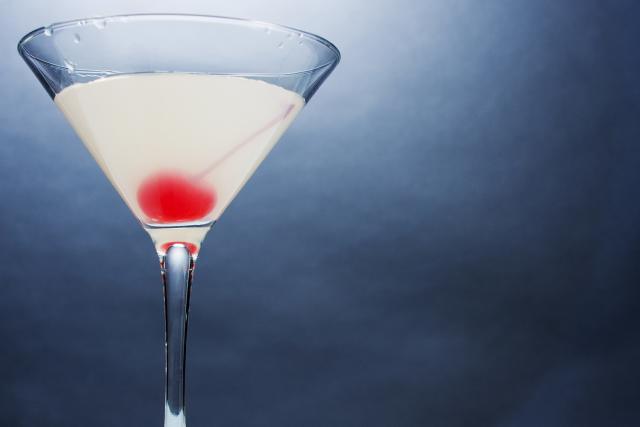
Double strain into the chilled, absinthe-rinsed glass. The drink should be a clean, pale gold.
Garnish with an orange twist, expressing the oils over the surface before dropping it in. A cherry is a traditional alternative garnish if you prefer.
Serve immediately, while it is properly cold.
Print
Corpse Reviver No. 2
- Total Time: 5
Description
The classic Savoy cocktail, equal parts gin, Cointreau, Lillet Blanc, and lemon juice, with a dash of absinthe. Bright, bittersweet, and famously reviving.
Ingredients
- Ice for shaking
- 3/4 oz gin
- 3/4 oz Cointreau
- 3/4 oz Lillet Blanc
- 3/4 oz fresh lemon juice
- 1 dash absinthe (or an absinthe rinse of the glass)
- Orange twist to garnish
Instructions
- Chill a coupe or cocktail glass in the freezer
- Rinse the chilled glass with a splash of absinthe and discard the excess, or add a dash of absinthe to the shaker
- Fill a cocktail shaker with ice
- Add gin, Cointreau, Lillet Blanc, and lemon juice in equal measures
- Shake well for 12–15 seconds until well chilled
- Double strain into the chilled glass
- Garnish with an orange twist and serve immediately
Notes
The 1:1:1:1 ratio is the heart of the recipe, measure carefully. Go easy on the absinthe; a dash or a rinse is plenty. For a flavour closer to the original 1930s recipe, use Cocchi Americano in place of Lillet Blanc. The drink is still excellent without absinthe if you don’t have a bottle.
- Prep Time: 5
- Category: Cocktails
Nutrition
- Serving Size: 1
- Calories: 170
Variations worth trying
Corpse Reviver No. 1 — the older, spirit-forward sibling. Stir equal parts Cognac, apple brandy (Calvados), and sweet vermouth with ice and strain into a chilled glass. Rich and warming rather than bright and citrusy, a completely different drink that shares only the name.
Cocchi Americano version — swap the Lillet Blanc for Cocchi Americano for a slightly more bitter, more complex result closer to the original Kina Lillet recipe.
Without absinthe — leave out the absinthe entirely for a simpler, still delicious citrus-and-gin cocktail. Less traditional, but easier if you don’t keep absinthe on hand.
Corpse Reviver Royale — strain the shaken drink into a flute and top with a little chilled Champagne or dry sparkling wine for a celebratory twist.
You might also like
More gin cocktails:
More classic shaken cocktails: White Lady, French 75, Margarita
From Best Gear and Guides:

COMMENTS